October 30, 2026
What a Good Trip Looks Like Next to a Bad One
By John Phillip Rovenstine
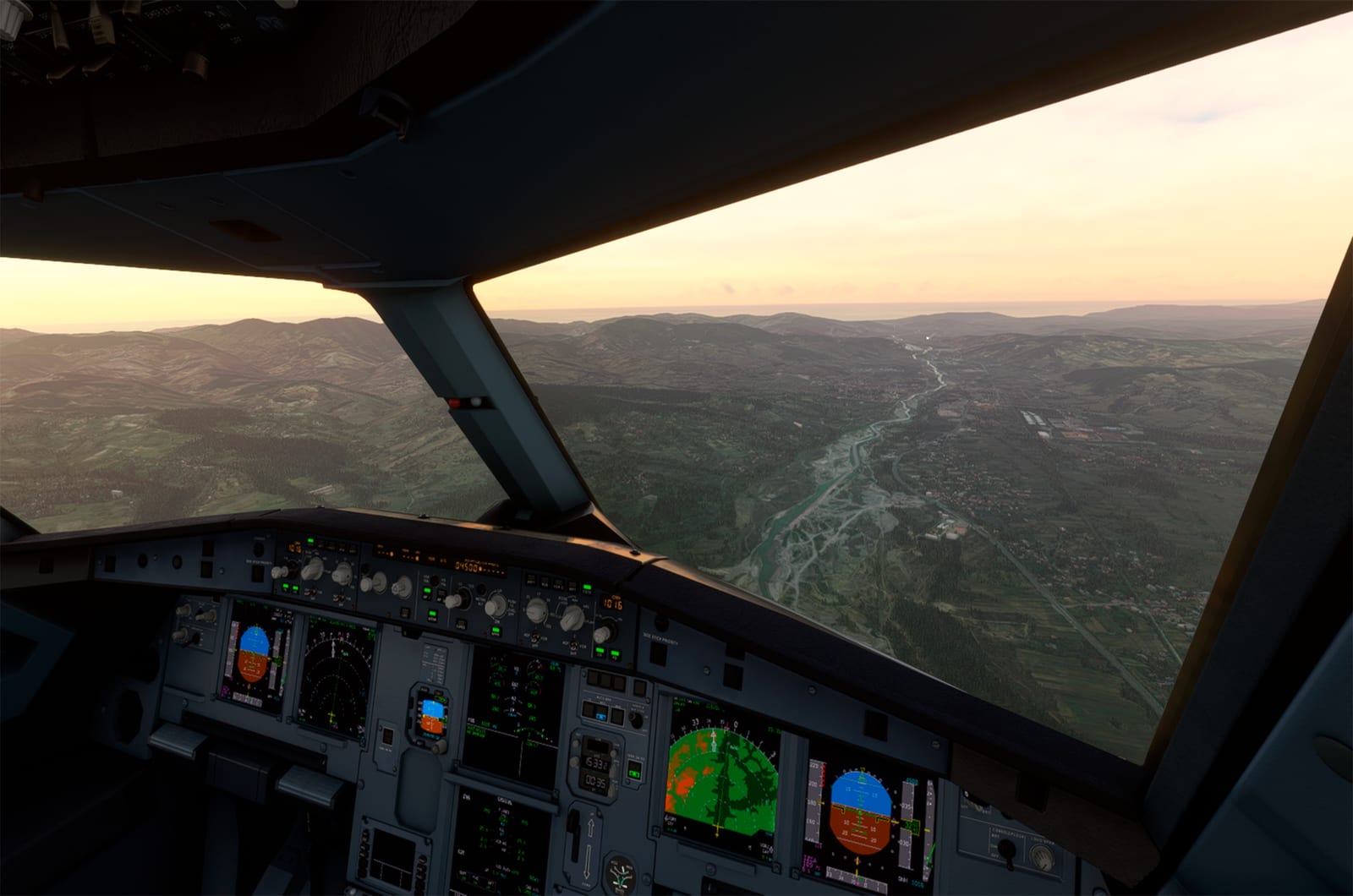
Two Trips, Same Aircraft
I have flown the same route for two different owners within the same month and come away with two completely different experiences. Same airplane type, same weather window, same general mission. The difference was never the airplane. It was how the trip got built before anyone ever got to the airport.
As a contract pilot, I step into other people's operations constantly. I do not get to shape the culture of every flight department I work with, but I notice fast which ones have their act together and which ones are winging it (sometimes literally). Here is what separates the two.
The Bad Version Starts With a Text Message
A bad trip usually announces itself early. Someone texts the night before: "Can you fly tomorrow, wheels up around nine-ish?" There is no weight and balance sent ahead, no passenger count confirmed, no idea yet whether the flight is domestic or needs a customs stop. I show up and build the trip in real time, standing at the FBO counter.
This is not a safety problem by itself. I will not launch an airplane until I have what I need. But it is a stress problem, and stress is where mistakes get made. When the planning happens in the thirty minutes before departure, little things get skipped. Nobody double checked the fuel load against the actual passenger count. Nobody confirmed the destination FBO can handle the aircraft at that hour. I end up doing other people's homework at the worst possible time to do it.
The Good Version Starts Days Earlier
A good trip has a paper trail before I ever touch the airplane. I know the passenger count, the bags, the destination, and whether there is a weather alternate worth thinking about, all before the day of departure. If something changes, I hear about it as a change, not as a surprise at the airport.
The owners and schedulers who run it this way are not doing anything exotic. They are just treating the flight like a plan instead of an event. That single shift changes how the whole day goes. I spend my morning checking weather and performance numbers instead of chasing down a passenger manifest.
What I Actually Watch For
When I take on a trip, a few things tell me immediately which version I am in.
Response time on questions. A good operation answers a fuel or weight question within the hour. A bad one goes quiet until I ask again.
Clarity on who is flying. Good trips have a confirmed passenger list. Bad ones have "probably four, maybe five" right up until boarding.
Respect for weather decisions. This is the biggest one. A good owner or scheduler treats a weather call as mine to make. A bad one treats it as a negotiation.
Why the Gap Matters More Than It Seems
None of this is about comfort. It is about margin. A trip built with no planning still has to absorb the same unknowns, weather, maintenance items, a late passenger, but it has no slack left to absorb them with. A trip built properly has room to adjust without anyone's judgment getting rushed.
I have had to push a weather hold back by an hour on a trip that was planned well, and nobody blinked. I have also had to deliver that same message on a trip that was thrown together last minute, and it landed very differently, because by then everyone was already anxious about the schedule. Same decision, same airplane, very different reaction, because the planning upstream set the tone.
What I Tell People Who Charter or Contract Pilots
If you want the good version of this, it is simple. Send the details early: passengers, bags, timing, any special stops. Confirm them once and leave them alone unless something actually changes. Then let the pilot make the weather call without a running commentary.
It sounds basic. It is basic. But I can tell within the first phone call whether a trip is going to be the kind where I spend the day managing the airplane, or the kind where I spend half of it managing everyone else's uncertainty too. The airplane does not care which one it is. I do.